Health & vetting
12 articles on Health & vetting.
Updated 5 Nov 2026
Health & vetting7 min read
Laminitis in horses: the signs, the cause and what to do
A horse rocking back on its heels and refusing to walk is a vet emergency. The signs of laminitis, what to do while you wait, the endocrine cause most cases share, why autumn grass is a risk too, and what the vet and farrier do.
Health & vetting7 min read
Horse colic symptoms: when to call the vet and what to note
Call the vet at the first sign, including the quiet ones: eating less, fewer droppings, a dull horse. What the REACT research found, what to note before the vet arrives, and why a first winter raises the risk.
Health & vetting7 min read
Horse body condition score: which scale, and how to feel it
A five can mean moderate or obese, depending on the scale. The Henneke and 0 to 5 systems, the cresty neck score, why a winter coat means scoring by hand, and what a score says about laminitis.
Health & vetting6 min read
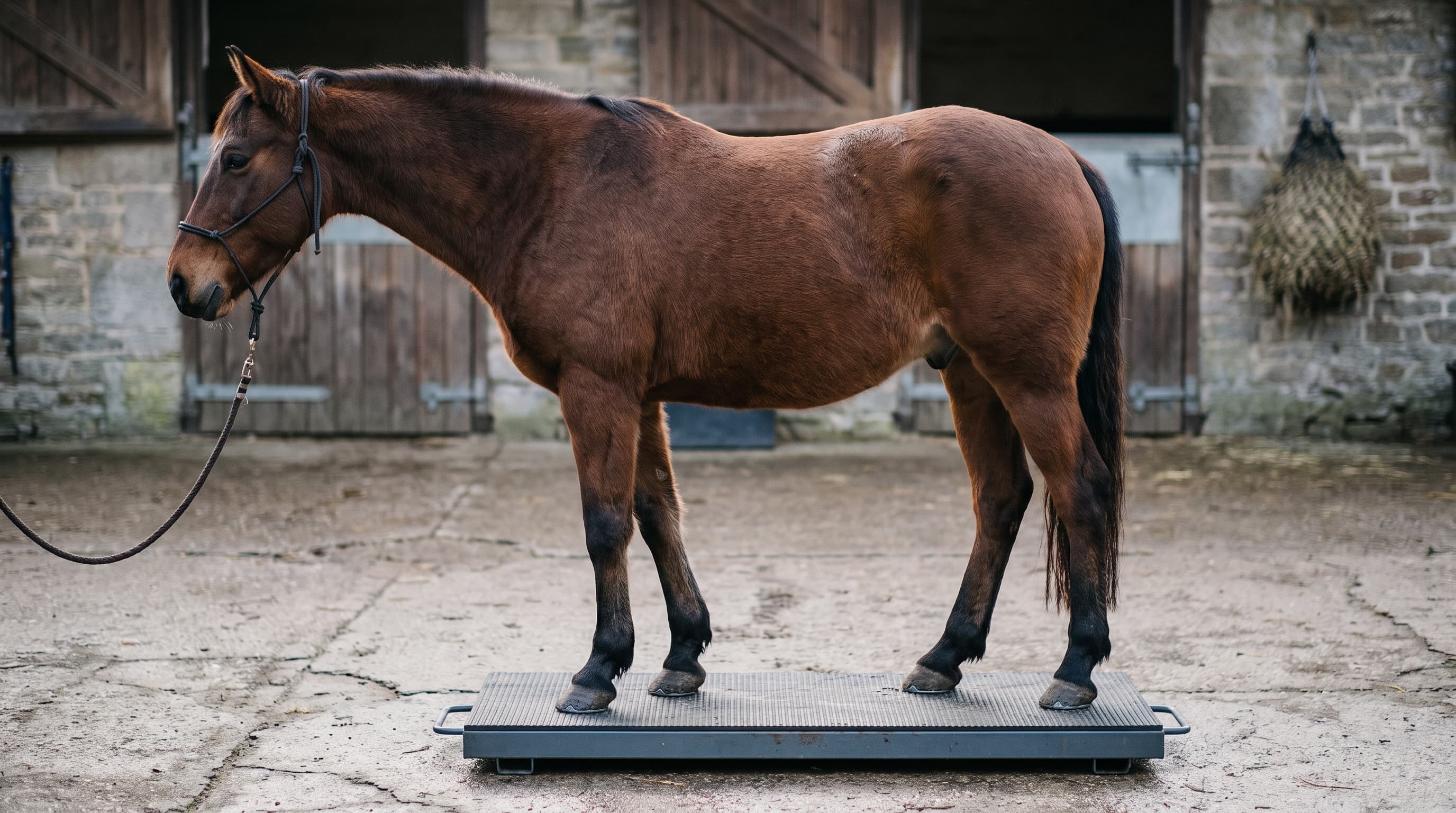
How much does a horse weigh, and how do you find out?
Weighed on a weighbridge, UK riding horses averaged 545 kg and the weight tape read them 7–8% light. How to get a real number for a dose, a ration or a trailer, and how to track it through winter.
Buying7 min read
How long do horses live? What the age in an advert means
Everyone says 25 to 30 years. The studies that counted deaths found medians of 14 to 19. What a horse's age means for its working years, how far to trust the age you are given, and what you take on at the end.
Health & vetting7 min read
Mud fever in horses: why the cause decides the treatment
Mud fever is a pattern of scabs with several possible causes, from bacteria to leg mites to sun-sensitive white skin. What sits behind it, when the leg needs a vet, and how to prevent it without washing the legs raw.
Health & vetting7 min read
Horse deworming schedule: what the guidelines say now
The worming calendar on the tack-room door may well be out of date. What the current guidelines say about egg counts, tapeworm and encysted redworm, who may sell you a wormer in your country, and what to ask your vet.
Health & vetting7 min read
How much hay does a horse eat? Winter bales and the bill
About 2% of bodyweight a day, which is two tonnes of hay for a 500 kg horse over a six-month winter. The floor you should not feed below, what feeders waste, and what the published hay prices make the bill.
Health & vetting7 min read
When to blanket a horse, and when to leave the rug off
A healthy, unclipped horse copes with far more cold than its owner. What the research and the welfare codes say about clipping, age, shelter, wet and wind, and why over-rugging is a risk of its own.
Health & vetting6 min read
How much does a farrier cost? Trims, shoes and the bill
A trim or a set of shoes, every few weeks, whether or not you rode. The only recent survey prices, what moves the bill, how often the farrier comes, and who may legally shoe a horse.
Buying6 min read
Loaning a horse: the agreement that prevents the argument
Loaning a horse is the most common arrangement in equestrian life and the least often written down. What the agreement has to settle before the horse moves.
Health & vetting5 min read
What a five stage vetting actually covers
A vetting is an opinion about risk, not a certificate of soundness. The five stages, what is excluded unless you ask, and how to read the report.