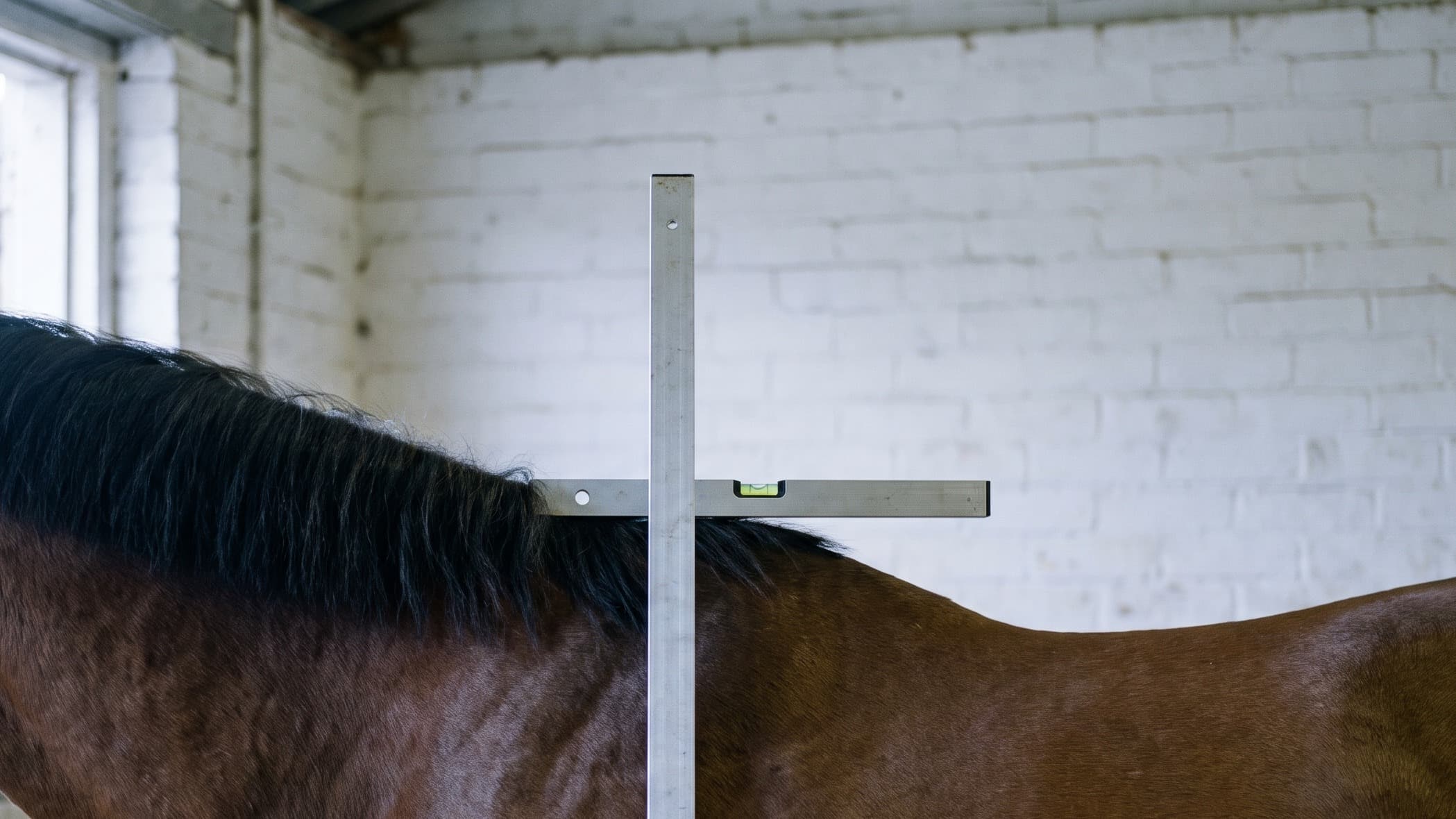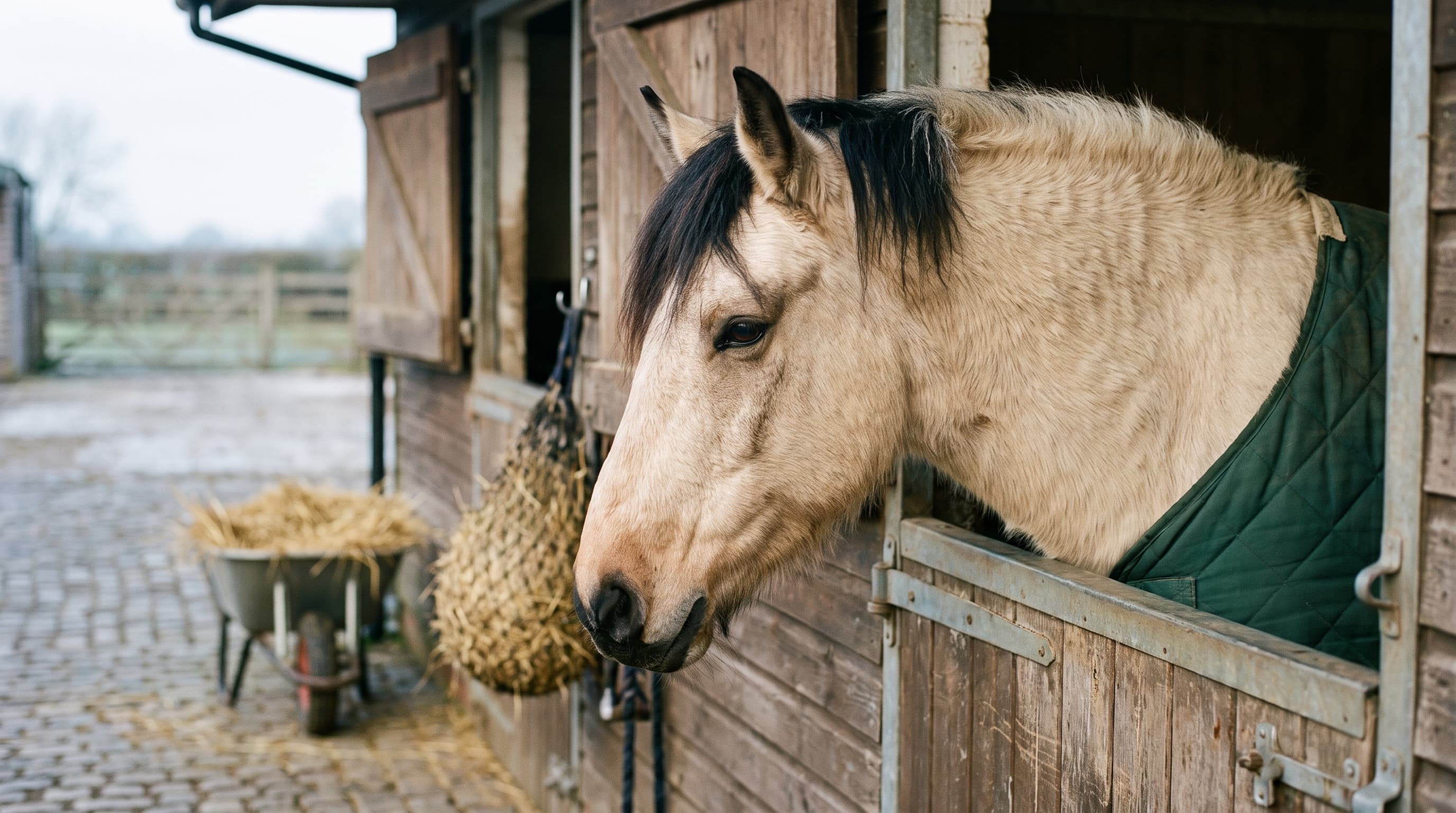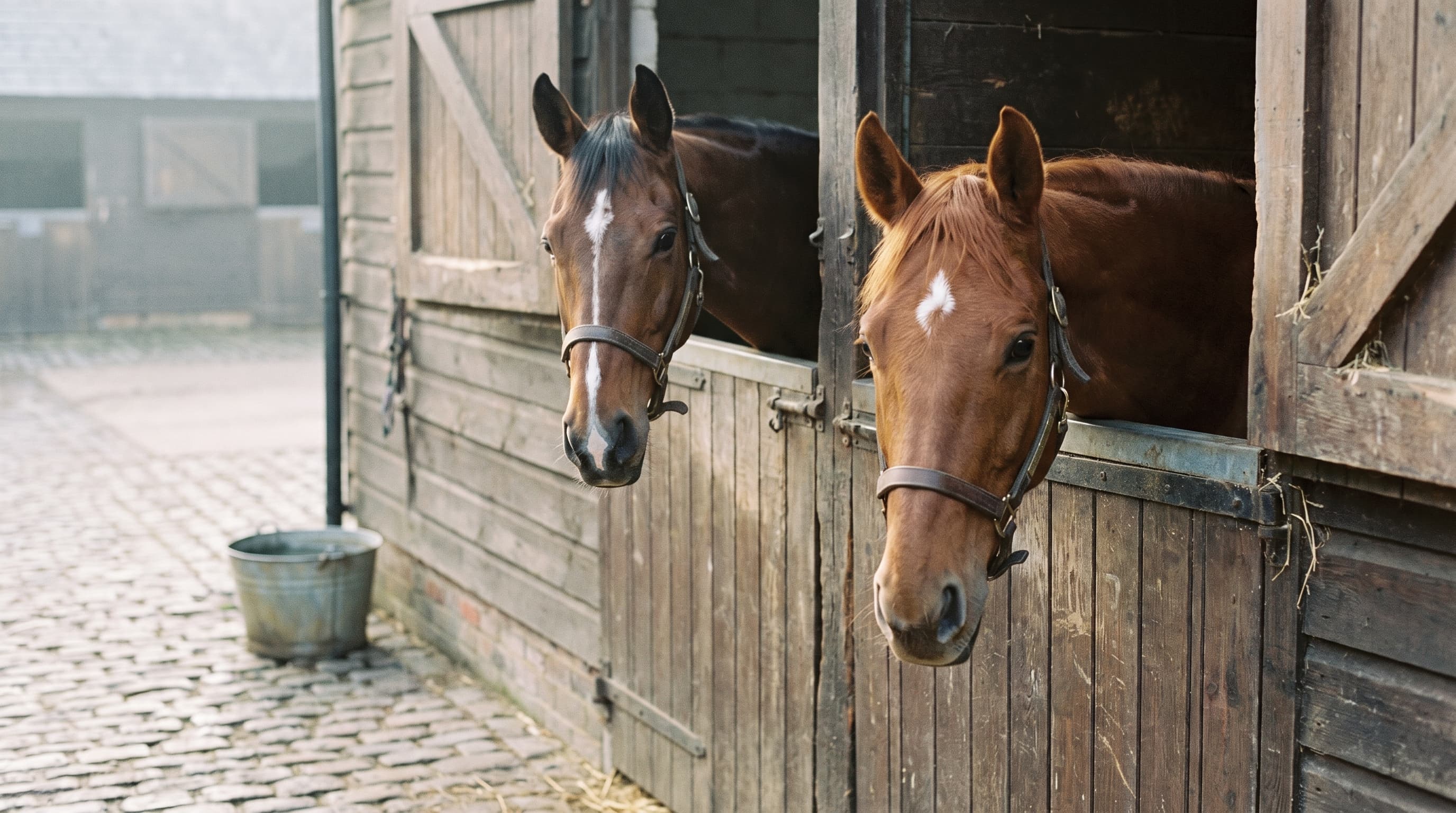
Two adverts, same age, same height, similar money. One is a gelding, one is a mare, and everyone you ask has an opinion before you have finished the sentence: mares are moody, geldings are easy, buy the gelding. Before you let that decide your first horse, it is worth knowing what the research actually found on gelding vs mare, because it is not what the yard says.
This is for the first-time buyer choosing which adverts to look at. It covers what riders believe, what the studies measured, what heat does and does not explain, what a gelding can still hide, what each sex does to the price, and why the stallion is not really a third option.
Gelding vs mare: what the yard says
The folk view is not only gossip. A Rutgers University extension sheet for first-time buyers says geldings are generally more stable and cause fewer problems than a mare used for riding, and that some mares, "because of their estrous cycle, can have more personality quirks".
Riders agree. In a survey of 1,233 riders, 94% of them women and about three-quarters with eight or more years in the saddle, geldings were rated calm, reliable and safe, while mares were rated safe and trainable but described as bossy and less predictable. For trail riding, the authors report that 71.8% of respondents picked a gelding and 23% a mare. The authors' own verdict is that mares are seen as less reliable and predictable "largely without scientific foundation".
What the studies found when they compared behaviour
The same research group then analysed what those 1,233 respondents reported about their own horses in a 151-question behaviour survey, and compared the mares with the geldings. Under saddle they found no evidence of sex-related differences in ridden behaviour. On the ground there were two small ones: mares had about twice the odds of walking away when being caught, and geldings were more likely to chew lead ropes and rugs.
That is owner-reported data from people engaged enough to answer 151 questions, so it is not the last word. But it is the largest comparison we found, and it does not support the idea that a mare is a harder ride than a gelding. The 2019 paper also notes that most studies report no differences in learning ability or training outcomes either.
Heat, hormones and what a vet actually finds
Mares do cycle. The MSD Veterinary Manual describes most of them as seasonal breeders that ovulate about every 21 days while the days are long, with two to eight days of oestrus each time, and no cycling through the short days of winter. So a mare you view in January may simply not be cycling, and her behaviour in May is a fair question to ask the seller.
What the cycle explains is another matter. When a laboratory looked at 2,914 hormone tests sent in because of a mare's behaviour, 86% showed none of the hormone changes of an ovarian tumour, and the behaviours other than stallion-like ones were significantly less likely to go with them. A 2026 study of nearly 15,000 mares' clinical records found that 56.8% of mares brought in for strong or persistent heat were not in heat when examined, and that aggression went with orthopaedic problems. A veterinary review makes the same point: behaviour blamed on the ovaries can be pain of musculoskeletal or soft-tissue origin.
Treatments to suppress heat exist, from hormone medication to surgery, and in a small series of 28 mares the ovaries were removed for unwanted behaviour, with owners scoring the results. None of that is a buyer's decision. If a mare's behaviour changes with the season, the first question for your vet is whether something hurts, and any treatment is theirs to choose.
What is a gelding, and what it can still hide
What is a gelding? A male horse whose testicles have been surgically removed. The American College of Veterinary Surgeons says castration is done to eliminate undesirable stallion behaviour, and adds that learned stallion habits can take time and training to fade, and in some horses persist.
The study usually quoted dates from 1985 and is small, but its numbers are worth knowing. Of 94 geldings castrated before the age of two, 20 to 30% still showed stallion-like sexual behaviour and aggression toward other horses, and 5% were aggressive toward people in a stallion-like way. Horses gelded after the age of three did no worse.
Then there is the horse sold as a gelding that is not one. A cryptorchid horse has a testicle that never came down, and a horse in which tissue was left behind can look gelded and still behave like a stallion; the yard word is a rig. A blood test settles it. Cornell's diagnostic laboratory calls the AMH test the most reliable test for testicular tissue, used with testosterone. If a "gelding" mounts mares or herds them, ask for it at the vetting.
Stallion vs gelding: a question a first horse can skip
The stallion vs gelding question has a short answer for a first-time owner. The Rutgers sheet says plainly that "stallions should not be considered except by breeding establishments". And castration is not a guaranteed fix for one you already own: in the 1985 study, gelding stallions whose behaviour had become a problem stopped the sexual behaviour and aggression toward people in 60 to 70% of them, not all. Look at mares and geldings.
Price, resale and the breeding option
You will be told mares are cheaper. On price, the gelding vs mare studies do not agree with each other, which is the useful finding.
| Market studied | What sex did to the price |
|---|---|
| US stock-type horses, online auctions, 2013 to 2019 (930 sold) | Mares and fillies 48.1% above stallions; geldings no different from stallions |
| US ex-racehorse Thoroughbreds, online sport horse auctions, 2012 to 2020 (170 horses) | Mares USD 924.08 below geldings on average |
| Irish young sport horses at auction, 2022 to 2023 (307 horses) | Raw averages €19,235 for geldings and €14,463 for females, not adjusted for anything |
The stock-horse figures are from a 2020 auction analysis, the Thoroughbred figures from a 2023 follow-up whose authors say the markets simply behave differently, and the Irish means from an appendix table in a 2025 study that did not test sex at all. If a mare is priced below a comparable gelding, nothing in the behaviour research says she should be, so a sound, well-mannered mare can be the better buy for the money. For what sets a price in general, see how much a horse costs to buy.
A mare keeps one thing a gelding cannot: the option to breed. Treat it as an option with a bill attached, not as free value; what a season really costs is in breeding a mare.
How to choose at a viewing
Settle the gelding vs mare question one horse at a time: judge the horse, not the label. Watch the horse being caught, tied, groomed and ridden, and ride it yourself. For a mare, ask how she behaves in spring and summer, and whether she is on any hormone treatment now. For a gelding, ask when he was castrated and whether he has ever mounted or herded mares. Then let a vet look at both, because much of the behaviour blamed on sex turns out to be pain. Age, training and temperament count as well, as the evidence in the best horse breeds for beginners shows.
Where we fit
Hoofine cannot tell you whether a particular mare is easy or a particular gelding is a rig; a viewing and a vetting can. What the site can do is let you filter the horses for sale by sex, or include both, and say on the Wanted board exactly what you are looking for. Our advice from the evidence is to tick both boxes and let the individual horse decide.