The stud fee is the number everyone quotes and the smallest part of the bill. Breeding a mare costs money in four places, and an owner who budgets for the first one finds that out in April, usually on the third invoice.
Only one of those four is the stallion. The others are the vet, the transport or the semen shipping, and the weeks of keep while your mare is away or being scanned. What follows is the shape of a whole breeding season, so you can price it in November rather than discover it in spring.
What the stud fee actually buys
A stud fee is a fee for the covering, not for a foal. What it includes varies enough between studs that you cannot assume anything, and the differences are worth asking about before you book:
- Whether it is payable at covering, on a positive scan, or split
- Whether a live foal guarantee applies, and what "live" means in that contract — standing and nursing is the usual bar, and it is not the only one in use
- Whether a return in the following season is included if the mare does not hold
- How many attempts within the season the fee covers
Two stallions advertised at the same fee can differ by a four-figure sum once those clauses are read. The fee is comparable only after you know which of them applies.
Live cover, chilled and frozen cost differently
The method changes the cost structure, not just the price. Each one moves the expense somewhere else.
Live cover
Your mare travels to the stallion and stays. The stud fee may look cleanest here, but you are also paying transport both ways and livery for however long she is there — which is not a fixed number, because it depends on her cycle. Studs usually charge board separately, and a mare who does not settle on the first cycle stays another three weeks.
Chilled semen
The semen travels instead of the mare. You pay collection and shipping per attempt, and shipping is the cost that surprises people, because it is per attempt rather than per season. Chilled semen has a short viable window, so this method needs your vet scanning closely enough to time the insemination — more vet visits, not fewer.
Frozen semen
Frozen widens the geography completely: a stallion three countries away becomes available, and the semen keeps. The cost moves to the veterinary side, because frozen needs tighter timing than chilled and typically more intensive scanning. There may also be a storage or handling charge from the collection centre, which is a separate invoice from the stud fee and easy to miss when comparing.
The costs that are not on the stud's price list
These are yours, and no stud quotes them because they cannot — they depend on your mare, your vet and your geography.
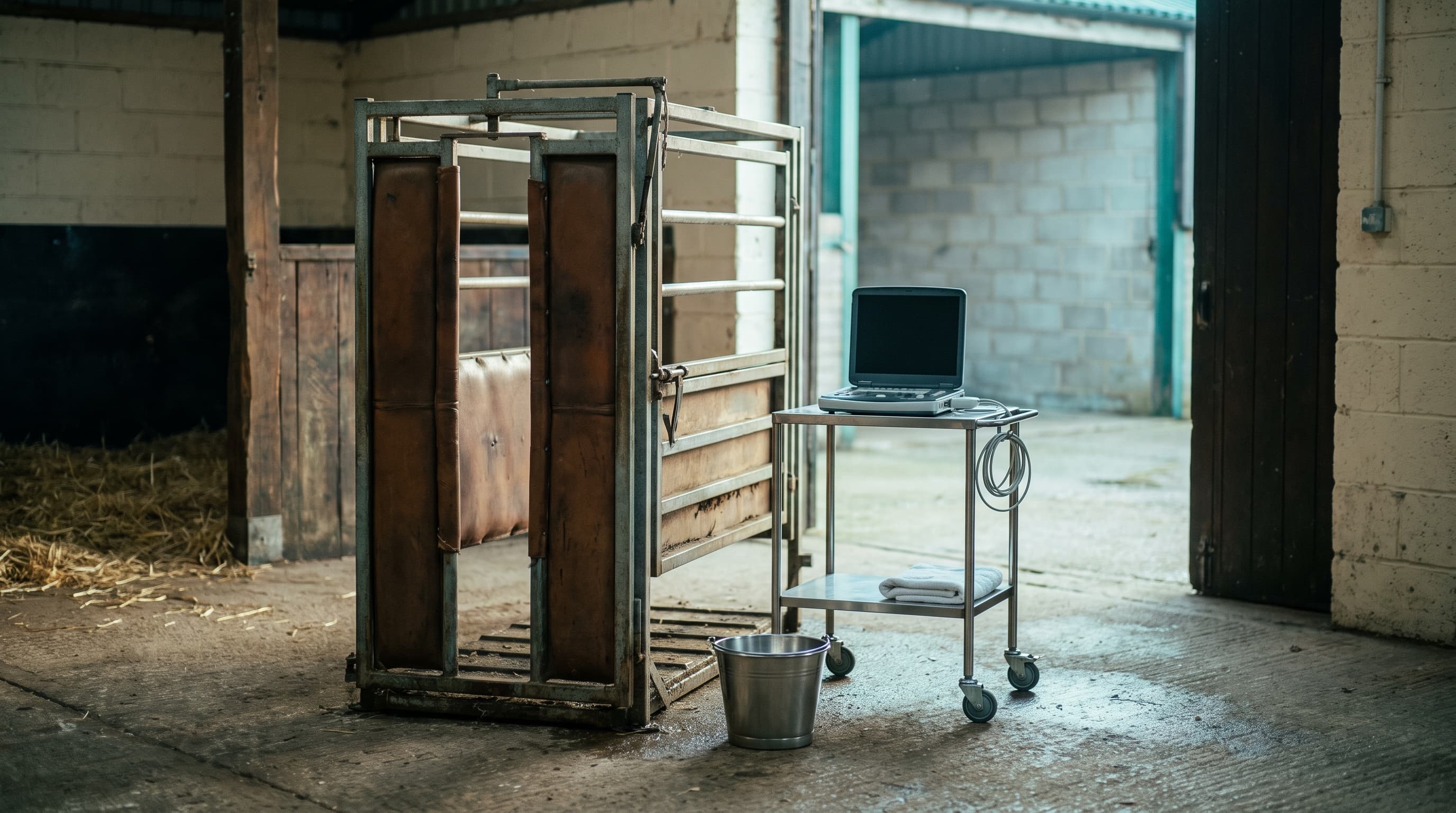
- Pre-breeding examination. A swab and a scan before the season, more thorough for a maiden or an older mare
- Cycle monitoring. Repeated scans to time the covering or insemination
- The insemination itself, where it is not live cover
- Pregnancy scans — commonly more than one, because an early positive is not a confirmed pregnancy
- Transport, or courier charges for semen
- Keep for eleven months if she is in foal, at whatever your yard charges
We do not publish typical figures for any of these, and you should be careful with anyone who does. They vary by country, by practice and by how straightforward your mare turns out to be. The useful exercise is to ring your own vet in November and ask them to price their own list — they will, and it takes ten minutes.
Breeding a mare is not the same as getting a foal
Mares do not always hold, and a season can end with a negative scan and a full set of invoices already paid. This is the risk the contract allocates, and it is the clause worth reading twice.
Look for what happens if she does not conceive: a free return next season, a partial refund, or nothing at all. All three exist. A stud fee that looks high with a return included can be cheaper over two seasons than a low fee with no return.
Get it in writing before the mare travels. In France this document is formalised enough that the national institute publishes guidance on it — the IFCE's contrat de saillie page is a good statement of what a covering contract is meant to settle, and the principles carry even where the instrument does not. Our own breeding contract templates set out the same terms in a form both sides sign.
What to do in November
The breeding season is decided in winter. Stallions fill, and the ones with a strong book fill first, so the practical sequence is:
- Have your mare examined now, not in March. A problem found in November is a problem you can treat before it costs you a season
- Shortlist stallions and ask each for the full terms, not the headline fee
- Ask your vet to price their own side of it for your mare specifically
- Add transport or shipping for the method you have chosen
- Then compare, with all four numbers in front of you
That total is the real cost of breeding a mare for one season, and it is usually a long way from the advertised stud fee.
Where we fit
You can compare stallions on Hoofine with the fee, the covering method and the terms stated on the profile rather than sent on request, and book from there. The stud fee itself is paid directly to the stallion owner, as the breeding contract sets out; Hoofine does not hold it, so the contract is where you agree when you pay and against what. None of that makes a mare conceive, and no marketplace can promise that — the vet work and the contract are what carry that risk, which is why most of this article is about them.
If you are still choosing, Match My Mare narrows the list by what your mare actually needs.